
|
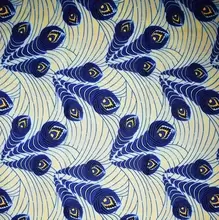
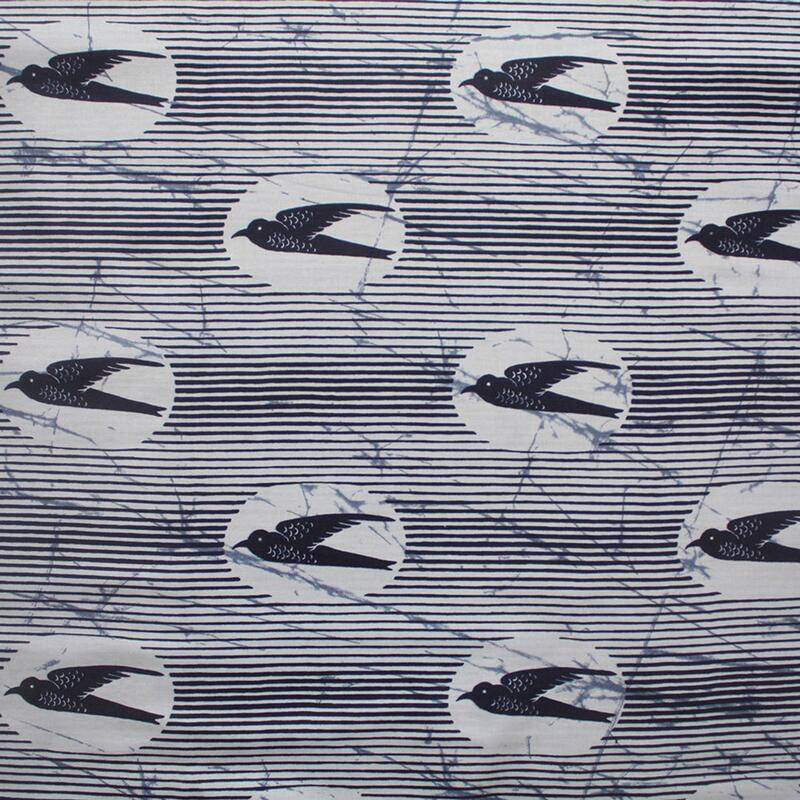
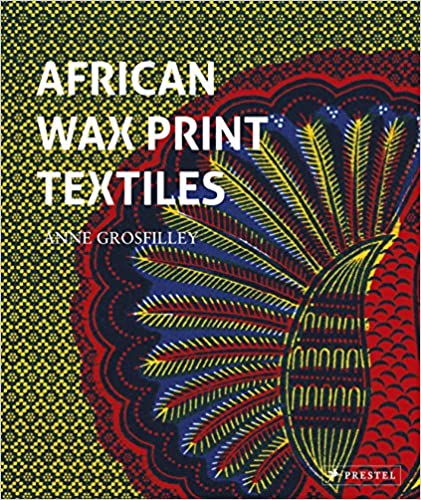
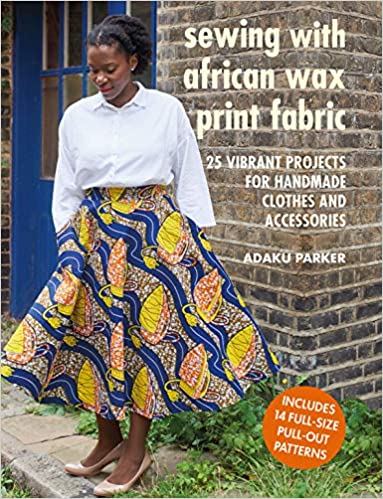
Our guild meeting this month was a fascinating talk by Adaku Parker of Dovetailed. We had 18 members listening and she told us about African Wax fabrics and how her business came to be. Pictured above is a peacock feather print from her collection, bought by a member, Janet, to make herself a skirt. Also pictured is the speedbird design, one of the most popular designs she said. First she told us a little about herself. She was a barrister until 2017 and was looking for a career change to fit in with her family. She had watched the end of an episode of The Sewing Bee and this sprung to mind. She knew little about sewing but immediately found herself some training and her new business was founded. Adaku told us a little about the history of these fabrics. You can read more about them in her new book and a book by Anne Grosfilley called African Wax Print Textiles . Here is a very short summary of her talk. African wax print fabrics originated in Indonesia in the 1800s. At that time Dutch East India (as it was known then) was making these fabrics. When Dutch merchants returned home to Holland they tried to reproduce the fabrics they had seen and liked. The idea was to make them in quantity and sell them back to the Indonesians. However it didn't work out quite like that! They made them with machines and the Indonesian people didn't like them as the process used to make them was not perfect in their eyes.
So how did they get to Africa? Legend has it that soldiers from the Gold Coast stationed in Indonesia at the time also liked the fabrics. They bought them and took them home to Africa as gifts for their womenfolk and so was born African wax prints. African people added their own traditional and ancient designs as well as adding contemporary ones. Nowadays 50% are made in China, 20% in Indonesia, 10% in Holland and the rest scattered in other countries. Adaku imports hers from Holland. The fabrics are cotton, and are still made in 6 metre lengths, which is the amount traditionally needed to make an African woman's outfit - 2m for the top, 2 for the skirt wrap, 1 for the tie and 1 for the head-dress - I think thats it. Adaku will cut the required amount for customers. She explained about the process of wax and dye to make the fabrics. It seemed to me to be like batik if you know what that is. The fabric has the pattern all the way through so it can be hard to tell which is the right side. The fabric is completely colour fast. Thats it folks, as they say. except don't miss our next talk on March 13th. It is........... John Parkinson talking about his business iinouiio. It is a business recycling fabrics to make yarn and I'm going to love that!
0 Comments
Leave a Reply. |
AuthorWendy Simpson, Archives
December 2021
Categories |
 RSS Feed
